Home · Guides · Aerodynamics that works: balance before style
Guide · Preparation
Aerodynamics that works: balance before style
A huge wing with a decorative lip at the front makes the car worse at high speed. Aero that works is balance, not style.
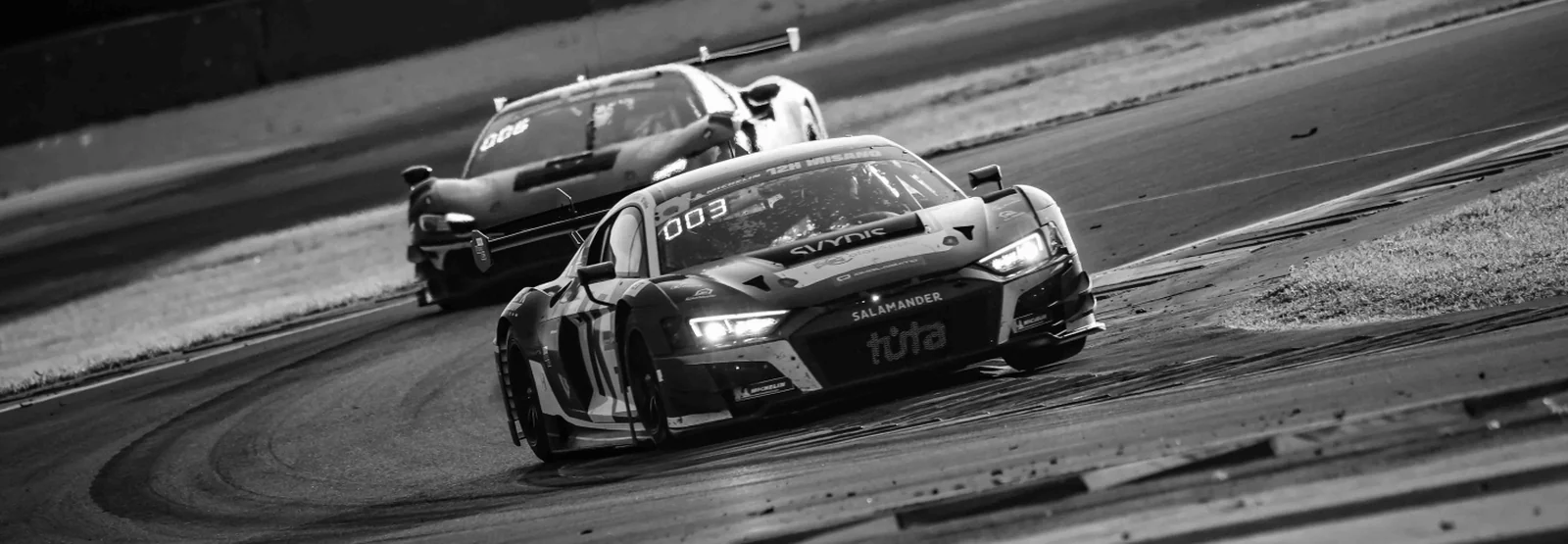
The classic mistake is seen at any meeting: a huge rear wing and, at the front, a purely decorative lip. At high speed this unloads the front axle and the car is worse than standard — more unstable and understeering. Aerodynamics that works isn't style; it's balance. This guide explains how to think about front and rear together.
Three forces, one to avoid
In motion, air generates three things: lift (raises the car — bad), downforce (pushes down — good) and drag (slows you — the cost). The goal is to trade the least drag for the most downforce, and — more importantly — to distribute that downforce evenly between front and rear.
Balance is everything
A powerful rear wing without matching front downforce shifts the balance rearward. The faster you go, the more the front lifts and the less it turns. The result is a car that looks fast standing still and is frightening (and slow) at the end of the straights. See the difference:
At the front: a real splitter (not a lip)
A curved lip only "dresses up" the car. A true splitter is a flat surface that extends forward under the bumper, creates a high-pressure zone above and low below, and generates real front downforce. Combined with a well-sealed front, it's what lets you balance the wing you want to run at the rear.
At the rear: a wing at the right angle
The wing gives rear downforce — but the angle matters. Too much angle is a lot of drag for little gain; too little does nothing. A well-mounted, adjustable GT-type wing is worth more than the biggest wing in the catalogue badly placed. And remember: once you've chosen the wing, you need the front to match.
Underneath: the flat floor
Often the cheapest, cleanest gain is under the car. A flat floor and the beginnings of a diffuser speed up the air under the car and create downforce with little drag — no big wings in sight. Sealing the front and smoothing the floor is almost always the right first step.
The right order
- Seal the front and smooth the floor (cheap downforce, little drag).
- Front splitter for front downforce.
- Rear wing to taste and discipline.
- Balance front and rear — the step almost everyone skips.
A Civic with a giant wing and nothing at the front understeers at high speed. A 944 with a modest splitter and moderate wing, balanced, is faster and safer — even with 'less show'.
Splitters, wings, diffusers and accessories — but above all, we help you balance front and rear so the car really improves.
Ask us about aeroFrequently asked questions
Does a big rear wing improve the car?
Only if there's matching front downforce. On its own, it lifts the front at high speed and causes understeer — the car gets worse. Always balance the wing with a splitter or flat floor at the front.
What's the difference between a lip and a splitter?
A lip is mostly cosmetic. A splitter is a flat surface that extends forward under the bumper and generates real front downforce, letting you balance the rear wing.
Where to start with aero without spending much?
Underneath: sealing the front and smoothing the floor gives downforce with little drag and little money. Only then does it make sense to add a splitter and wing, and balance them.